
In-Play Betting Explained: How Live Odds Work and What to Watch For
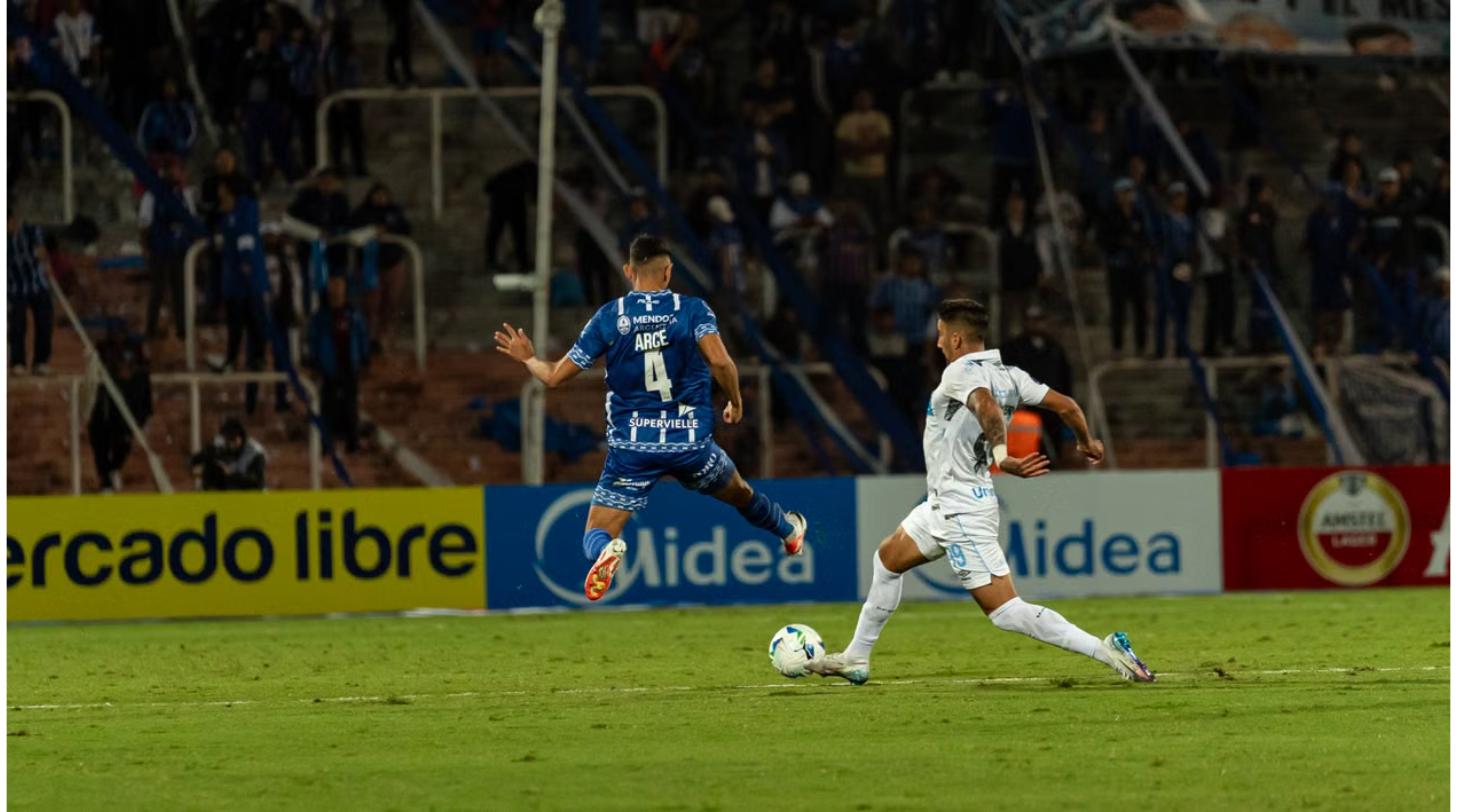
In-play betting (also called live betting) lets you place bets after a match has already started, with odds updating in real time as the game unfolds. It’s become one of the most popular forms of sports betting — but it also works very differently from pre-match betting, and understanding those differences matters if you want to bet responsibly and avoid costly mistakes.
How Live Odds Are Calculated
Pre-match odds are built from statistical models, team form, injuries, and historical data, then refined by early market activity. In-play odds start from that same baseline but are recalculated constantly — sometimes several times per minute — based on:
- Match events: goals, red cards, penalties, and substitutions immediately shift probabilities
- Time remaining: the same scoreline means something very different at minute 10 versus minute 85
- Momentum indicators: possession, shots on target, and attacking pressure feed into live models
- Betting volume: bookmakers also adjust odds based on how money is flowing on each outcome
Because all of this happens automatically through algorithms, live odds can look erratic in fast-moving moments — a single shot hitting the post might swing the odds noticeably even though the scoreline hasn’t changed.
Why There’s a Delay Between Action and Odds
Most bookmakers apply a short delay (often 5–30 seconds) between what happens on the pitch and when you can place or confirm a live bet. This exists specifically to prevent “in-running advantage” — bettors trying to place a bet after seeing a goal but before the odds update. If you’ve ever had a live bet get rejected or the odds change right as you try to confirm it, this delay is usually why.
Key Differences From Pre-Match Betting
Higher bookmaker margin. Live markets typically carry a larger built-in margin than pre-match ones, since bookmakers need to price risk faster with less time to correct errors. This means the “true” value on offer is often slightly worse than it looks.
Faster decisions, less research time. Pre-match betting allows time to study lineups, form, and stats. In-play betting compresses that decision window to seconds, which increases the temptation to bet on instinct or emotion rather than analysis.
More market types available mid-match. Beyond match result, in-play markets often include next goal, next corner, time of next booking, or total goals in the next 10 minutes — many of which are higher variance and harder to price accurately even for the bookmaker.
Common Mistakes Bettors Make In-Play
- Chasing losses live: placing a bet mid-match specifically to “win back” money lost on a pre-match bet, often on emotional rather than logical grounds
- Overreacting to a single event: a red card or early goal can trigger a rushed bet before the game has actually settled into a new pattern
- Ignoring the delay: trying to bet on odds that have already moved, leading to frustration and impulsive follow-up bets
- Underestimating the margin: assuming live odds are as fair as pre-match odds, when they usually aren’t
A More Disciplined Approach to Live Betting
If you choose to bet in-play, treating it with the same discipline as pre-match betting matters even more, not less:
- Decide your position and maximum stake before the match starts, not reactively during it
- Watch the actual run of play, not just the scoreline — a team dominating despite being 0-1 down is a different situation than a team hanging on
- Avoid betting in the first few minutes after a major event (goal, red card), when odds are most volatile and least reliable
- Treat in-play markets as an extension of your overall bankroll management, not a separate “fun money” category
The Bottom Line
In-play betting can be an engaging way to follow a match, but the speed and volatility that make it exciting are the same factors that make it easy to bet impulsively. Understanding how live odds are built — and why they carry a higher margin than pre-match markets — is the first step toward using in-play betting as a deliberate tool rather than a reactive habit.
What In-Play Odds Movement Tells You About the Match
Live odds do not move at random. Every shift in a in-play market reflects a change in the bookmakers assessment of what is likely to happen next, and reading those shifts correctly is one of the more useful skills a live bettor can develop. A sudden drop in the price of the next goalscorer market after a team wins a series of corners, for example, signals that the trading desk sees rising pressure even before a shot is registered. Conversely, odds on a team to win can drift out steadily over ten minutes even with the scoreline unchanged, which usually means possession and territory have swung the other way. Because in-play markets update every few seconds, the direction and speed of the movement often carries more information than the number on the screen at any single moment.
Common Mistakes Bettors Make During Live Matches
The fast pace of in-play betting encourages decisions made on emotion rather than analysis, and this is where most losses accumulate. One frequent error is chasing a favourite that has fallen behind, betting on the assumption that quality will inevitably show, when in reality the match state and tactical setup may not support a comeback. Another is overreacting to a single highlight-reel chance, such as a shot that clips the post, and treating it as proof that a goal is imminent when the underlying run of play has not actually changed. Bettors also tend to underestimate how much a red card reshapes a match, not just in terms of the numerical disadvantage but in how it changes a managers instructions for the rest of the game. Slower, more considered live bettors tend to wait for two or three consistent signals, such as sustained territorial dominance combined with a change in the number of players committed forward, before acting, rather than reacting to any single moment in isolation.
Two related concepts worth exploring further are Live Streaming and In-Play Data: What Serious Bettors Actually Watch and How Substitutions and Tactical Changes Affect In-Play Betting.
